

Banjul mayor: Climate crisis disproportionately affects women
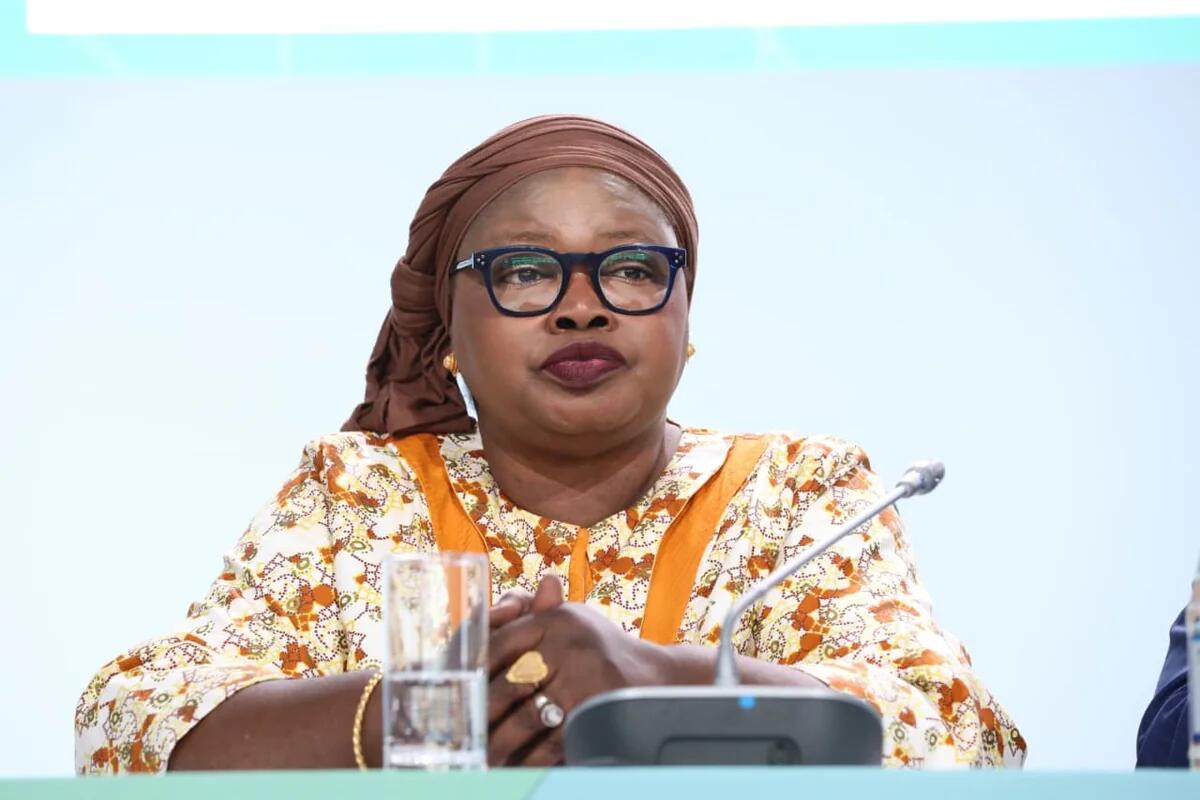
Climate change affects women the most, as they are the first to face the consequences of floods, droughts, and the destruction of traditional living conditions, Mayor of Banjul, Gambia, Rohey Malik Lowe, said during the panel session "Peace-Positive Climate Action through Urban Solutions in Fragile and Conflict-Affected Areas" within the framework of the 13th session of the World Urban Forum (WUF13) in Baku.
The mayor of the Gambian capital and the country"s only female mayor emphasized that the climate crisis disproportionately affects women and youth, especially in vulnerable urban communities.
"When there is a flood - we suffer. When there is a drought - we suffer. Therefore, climate issues are women"s issues," Rohey Malik Lowe said.
According to her, women are more often on the front lines of climate challenges because they bear the primary responsibility for providing families with water, food, and safe living conditions.
She stressed that the climate agenda should not be viewed solely as an environmental issue, as it also concerns social justice, the protection of vulnerable populations, and urban resilience.
Lowe noted that Banjul, located on the Atlantic coast, is already facing serious consequences of climate change. According to her, rising sea levels and increasingly frequent floods are having a particularly severe impact on low-income residents, damaging housing and infrastructure in the city"s most vulnerable districts.
The mayor also called for greater involvement of women in decision-making processes related to climate policy and urban planning, noting that effective and sustainable solutions cannot be developed without their participation.